We drive research and education in medical technologies, health informatics and healthcare delivery. Combining the expertise of engineers, biomedical researchers, clinical practitioners and industry partners, we create innovative medical solutions that have societal and economic impact.

Biomaterials and tissue engineering
Interdisciplinary applications of engineering involving biological systems, in particular biomaterials for implants, tissue engineering, stem cell culture, antimicrobial, musculoskeletal and cardiovascular applications.
Biomechanics and mechanobiology
A research focus on musculoskeletal and cardiovascular applications; using experimental and computational modelling techniques to explore injury, disease, degeneration, orthopaedics and maxillofacial surgery, human movement and performance, and intervention.
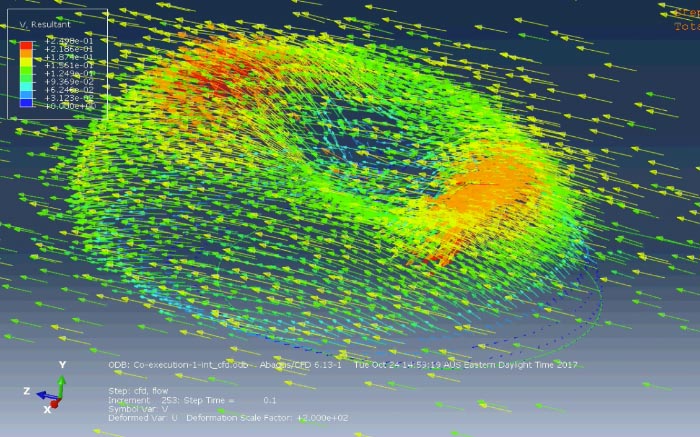
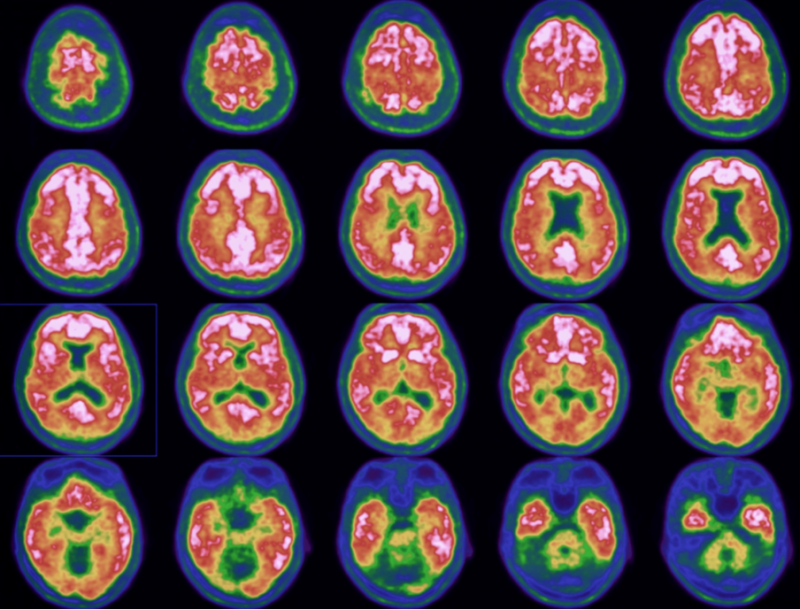
Biomedical imaging
Research focused on the development of techniques for image acquisition and analysis, with application to the understanding of biological structure and function.
Neural engineering
Research focused on using scientific methods to understand and model the nervous system, and uses this knowledge to engineer systems that interact with, augment, or mimic nervous system functionality.

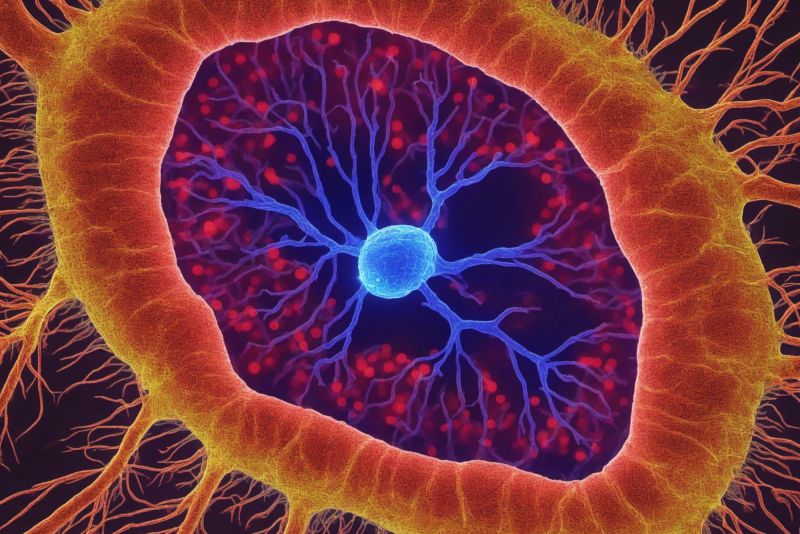
Systems and synthetic biology
Systems biology aims to understand the properties and behaviour of biological systems from knowledge of the constituent parts and their interactions. Synthetic biology aims to manipulate cellular phenotypes with predictable biological outcomes through rational, engineered design.
Research centres and institutes
-
The Aikenhead Centre for Medical Discovery
Australia’s first collaborative, hospital-based biomedical engineering research centre, which brings together leading universities, research institutes and a tertiary hospital to take on today’s toughest healthcare challenges.
-
ARC Training Centre in Cognitive Computing for Medical Technologies
This Centre is aimed at creating a workforce that is expert in developing, applying and interrogating artificial intelligence (“AI”) applications in data-intensive medical contexts, to facilitate the next generation of data-driven and machine learning-based medical technologies.
-
ARC Training Centre for Medical Implant Technologies
The Centre specialises in personalised 3D printed orthopaedic and maxillofacial implants.
-
Graeme Clark Institute for Biomedical Engineering
This Institute promotes and coordinates the extensive bioengineering activities that exist across the University of Melbourne, drawing on emerging scientific and engineering approaches to drive transformative clinical solutions.
-
ARC Training Centre for Transformative Health Sensing Technologies
CHST is a university-industry collaboration advancing health sensing technologies into validated, real-world applications through research, training, and partnership.