Biomedical imaging
About our research
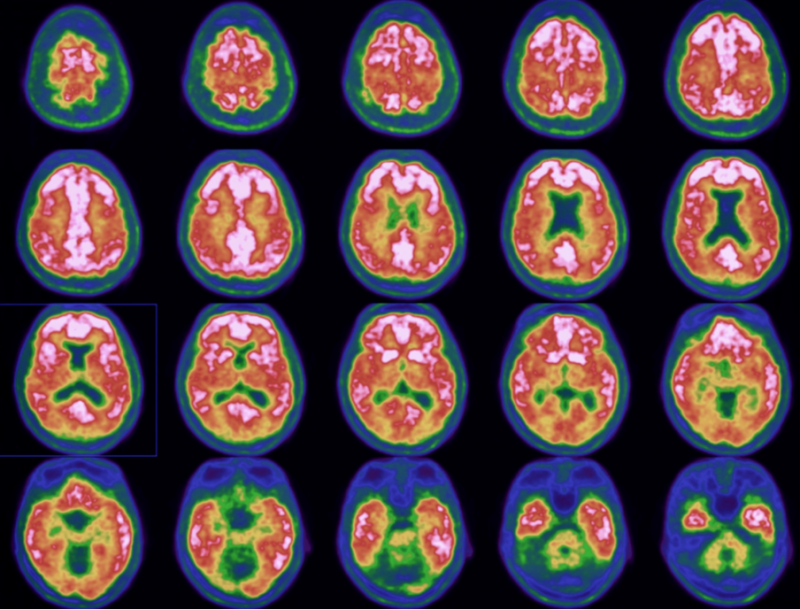
Our research includes the development of techniques for image acquisition and analysis, with application to the understanding of biological structure and function. Biomedical imaging encompasses a broad range of imaging expertise. We improve acquisition and reconstruction technologies, including:
- Ultra-high field Magnetic Resonance Imaging (MRI)
- Positron Emission Tomography (PET)
- Transcranial Magnetic Stimulation (TMS)
- Functional Near Infrared Spectroscopy (fNIRS).
We develop imaging analysis tools with specialties in microCT and microscopy methods for mechanobiology research, and MRI-based connectomics for the diagnosis and treatment of brain diseases and disorders. We apply preclinical and clinical imaging modalities to a range of biomedical engineering fields including musculoskeletal, neurological and mechanobiological research.
Staff
A/Prof Vijay Rajagopal
Research groups
-
Cell Systems and Mechanobiology Lab
We uncover the inner workings of living cells by creating in-silico models of cell structure, its mechanics and biochemical processes that drive cell function. Our research has led to fundamental discoveries related to heart disease, cancer and blood and vascular diseases.
-
Integrative Cartilage Research Group
Applying innovative technologies in order to reveal the mechanobiological signalling networks in cartilage and joint disorders and provide strategies for repair.
-
Melbourne Brain Centre Imaging Unit
The MBCIU supports collaboration between researchers and clinicians exploring a wide range of conditions, from neurological disorders like multiple sclerosis and Alzheimer’s disease to the impacts of traumatic brain injury.
-
Systems Lab
We use neuroimaging techniques to conduct research into the human brain in health and mental illness. We develop advanced computational models and tools to study brain networks and systems, and apply the knowledge gained from these studies to develop improved brain stimulation and other therapies.